The Illusion of Guaranteed Wins
One prevalent myth in the world of casino gambling is the belief that certain strategies can guarantee wins. Many players fall prey to systems that promise a foolproof way to beat the house. However, it’s essential to understand that games in casinos, especially those reliant on chance like slots or roulette, are designed with built-in odds that favor the establishment. Additionally, players seeking reliable information about the best sports betting sites canada should remember that no amount of strategy can change the mathematical probability of these games, making it crucial for them to manage their expectations regarding outcomes and losses.
Moreover, the idea of “hot” or “cold” machines, where players believe a slot machine is due for a win or has recently paid out, is another misconception. In reality, each spin is independent of previous spins, governed by random number generators. These systems ensure that outcomes are random, removing the ability to predict wins based on past performance. This lack of predictability is what keeps the games exciting but also highlights the inherent risks of gambling, emphasizing the need for informed decision-making among players.
Understanding these realities can foster a healthier approach to gambling. While it can be enjoyable to play games of chance, recognizing the odds ensures players don’t engage with unrealistic expectations. Instead of viewing gambling as a reliable source of income, players should approach it as a form of entertainment, making responsible and informed choices in their gaming experiences. This perspective can lead to a more satisfying and sustainable gambling experience, reducing the likelihood of disappointment.
The Misconception of Skill-Based Games
Many believe that skill-based games, such as poker or blackjack, offer a significant advantage over purely luck-based games. While skill can influence outcomes in these games, the myth lies in underestimating the house edge inherent in casino rules. Even the most skilled players will find that, over time, the house still has an advantage, emphasizing the importance of understanding the odds and betting wisely to minimize losses. This reality can be challenging for players who believe they can consistently outsmart the casino.
For instance, in poker, players often think their skill can continuously beat less experienced opponents. However, even the best players face losing streaks due to chance and opponents who might have luck on their side. It’s essential for gambling enthusiasts to recognize that while strategy plays a role, external factors can significantly alter the game’s outcome, keeping it unpredictable. This understanding can help players develop a more strategic approach to their gameplay, combining skill with an awareness of the inherent risks involved.
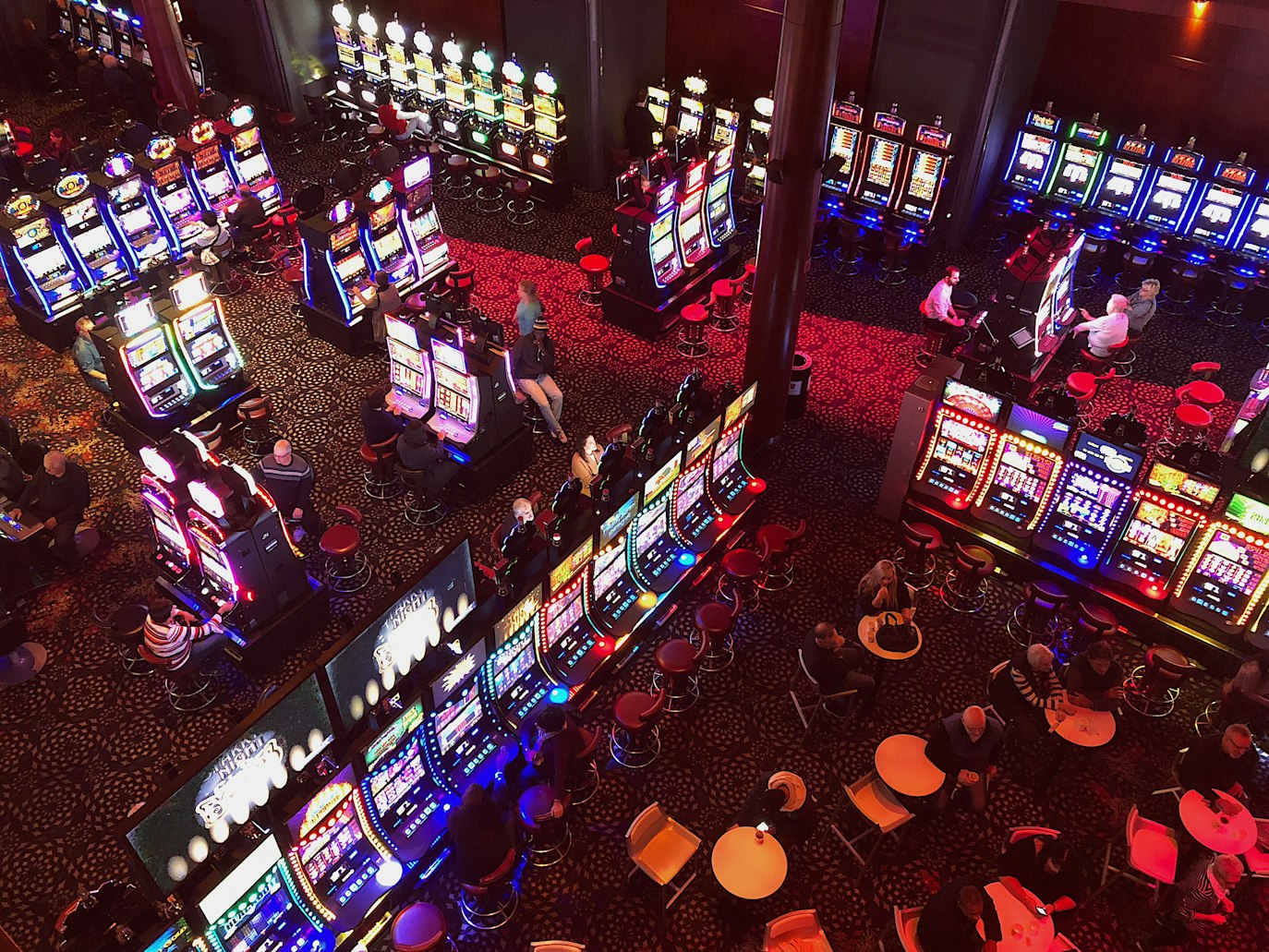
Additionally, the misconception that one can always outsmart the house can lead to financial challenges. Players who heavily invest time and resources into mastering these games often feel disheartened when they still face losses. Understanding that skill can enhance the experience but will not guarantee success can lead to healthier gambling habits and enjoyment of the game. A balanced view of skill versus luck can help players engage more responsibly with their gaming practices.
The Belief in Gambling Addiction as a Choice
Another pervasive myth is the belief that gambling addiction is merely a lack of willpower. This simplistic view overlooks the complex psychological and emotional factors contributing to gambling disorders. Addiction can stem from various triggers, including stress, mental health issues, or environmental factors, making it a multifaceted challenge rather than a straightforward choice. Recognizing gambling addiction as a serious concern is crucial for those affected and their loved ones, as it can help in seeking appropriate support and treatment.
Understanding the nature of addiction involves acknowledging how it can take root in individuals’ lives, leading to harmful behaviors and negative consequences. Many people do not intend to become problem gamblers but find themselves trapped in a cycle of chasing losses and seeking the thrill of winning. Support systems and resources are available, highlighting the importance of education and awareness to help individuals struggling with gambling-related issues. This understanding can lead to compassion and support for affected individuals rather than judgment.
Encouraging discussions about gambling addiction without stigma can pave the way for better support. By shedding light on this issue and promoting understanding, society can help those affected seek help and nurture healthier relationships with gambling. A more compassionate approach to addiction can ultimately lead to recovery and a more enjoyable gaming environment for everyone, fostering an atmosphere where individuals feel safe to discuss their challenges and seek help without fear of judgment.
The Myth of the ‘Lucky Gambler’
The idea of the ‘lucky gambler’ is another prevalent myth that clouds the reality of casino gambling. Many players believe that luck plays a significant role in their gambling outcomes and that some individuals possess an innate ability to attract good fortune. This myth can often lead to irrational betting behaviors and the glorification of chance, overshadowing the underlying mathematics that govern every game. The perception of luck can skew players’ understanding of their experiences at the tables or machines.

In reality, the concept of luck is subjective and can vary dramatically from person to person. What one person sees as a lucky streak might just be a temporary run of favorable outcomes, while others may experience losses that overshadow any brief moments of success. This perception can skew an individual’s understanding of gambling and lead to compulsive play, as the pursuit of luck becomes intertwined with emotional highs and lows. Players may find themselves chasing losses or continuing to gamble based on a false sense of luck.
Furthermore, the myth of the ‘lucky gambler’ can create unrealistic expectations, where players might believe that consistent wins are just around the corner. This hope can encourage continual play even in the face of mounting losses, ultimately leading to financial distress. Recognizing that gambling is primarily a game of chance can help players cultivate a more grounded and realistic attitude toward their gaming experiences. By understanding the role of luck versus skill, gamblers can approach their gameplay with a healthier mindset.
Educational Resources on Responsible Gambling
While the myths surrounding casino gambling can be misleading, numerous educational resources are available to promote responsible gambling practices. Many casinos and gambling establishments offer information on the risks associated with gambling, helping players understand the importance of setting limits and recognizing when it’s time to stop. These resources can be invaluable in fostering a safer gambling environment, ensuring that players are aware of the potential pitfalls associated with their activities.
Websites dedicated to responsible gambling provide tools and strategies to help individuals manage their play, including budget setting, time management, and recognizing signs of problem gambling. Additionally, these resources often share stories of recovery and offer practical advice for avoiding common pitfalls. By utilizing these resources, players can enhance their gaming experience and enjoy gambling as a fun activity rather than a path to financial difficulty. Education plays a vital role in changing perceptions about gambling, breaking down misconceptions, and promoting awareness.
Ultimately, a well-informed gambler is a responsible gambler. By continuously seeking knowledge about gambling practices and understanding the realities of the games being played, individuals can navigate the casino landscape more effectively. Emphasizing education and awareness can lead to healthier gambling habits that prioritize enjoyment rather than obsession, creating a balanced approach to casino gaming. This proactive approach can empower players to engage with gambling responsibly and sustainably.